The problem
Most small businesses do not have a brand problem, they have a consistency problem. There is a logo somewhere, in a low resolution file, in three slightly different colours depending on who last used it. Every poster looks like it came from a different company, because it did.
Design gets bought as one off files. Six months later nobody can find them or edit them, so the next thing gets made from scratch.
What we deliver instead
A system. Colour, type, spacing, imagery and layout rules that hold together, and templates your team can use for routine work without breaking it.
That means the tenth social post, the fourth brochure and the next exhibition stand all look like the same company, without a designer touching each one.
How we work
- Understand. Who you sell to, who you compete with, and what you need to look like relative to them.
- Direction. Three distinct routes with reasoning, not twenty variations of one idea.
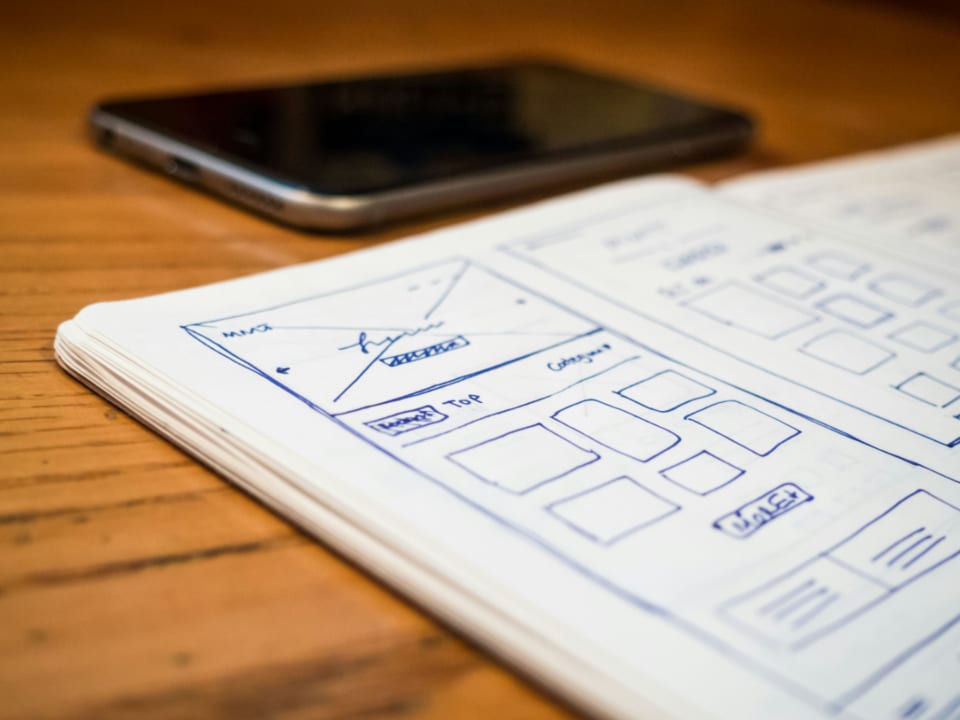
- Develop. The chosen route built out across real applications, so you see it working rather than on a mood board.
- Systemise. Guidelines, templates and files organised so people can find and use them.
What you get
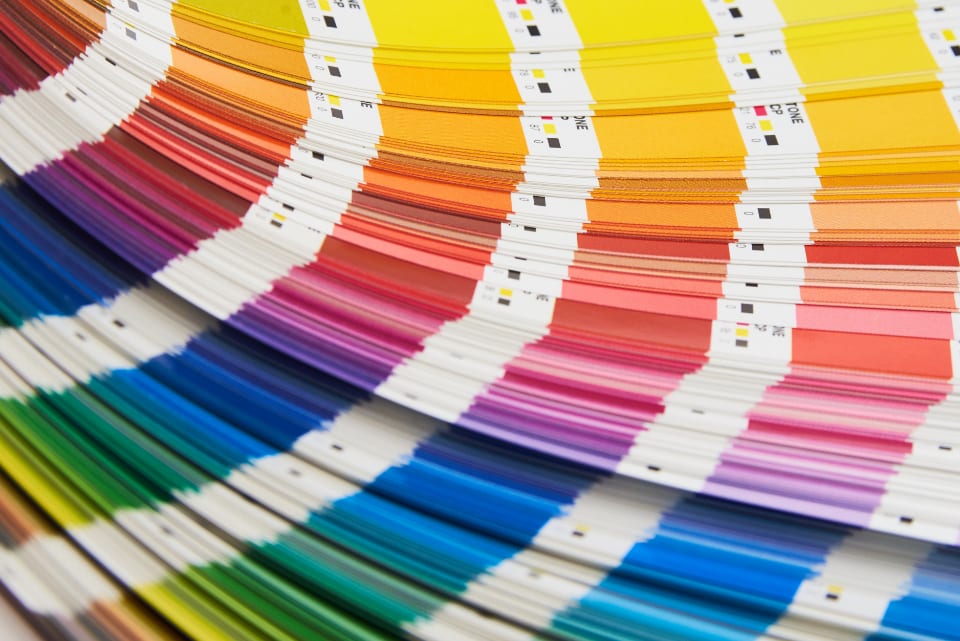
Logo in every lockup and format including vector, favicon and social sizes. Colour values for screen and print. Type licences identified. Templates for the formats you produce most. Guidelines short enough that people read them.
Who this is for
Businesses whose materials have drifted, businesses preparing for a launch or a funding round, and businesses whose design work currently depends on whoever is free that week.
Consistency, not creativity, is usually the problem
Most small businesses do not have a brand problem. They have a consistency problem. There is a logo somewhere, in a low resolution file, in three slightly different greens depending on who last used it.
Every poster looks like it came from a different company, because it did. Design was bought as one off files, nobody could find or edit them six months later, so the next thing was made from scratch.
A system, not a pile of files
The deliverable is a system: colour, type, spacing, imagery and layout rules that hold together, plus templates your team can use for routine work without breaking anything.
That is what makes the tenth social post, the fourth brochure and the exhibition stand look like the same company without a designer touching each one.
Three directions, with reasoning
We present three genuinely distinct routes, each with an explanation of what it signals and who it appeals to. Not twenty variations of one idea, which makes the decision harder rather than easier and usually means the brief was not understood.
Each route is shown on real applications, because a logo on a white square tells you very little about how it will behave on a delivery van or a phone screen.
Working with an existing identity
Often the identity is fine and what is missing is the system around it. That is a considerably smaller and cheaper job than a rebrand, and we will say so rather than selling the larger project.
An audit of what exists, a set of rules, a template pack and a tidy file structure frequently solves the actual problem.
Print production
Artwork prepared for print is a distinct skill from artwork for screen. Bleed, crop marks, colour profiles, spot colours, overprint, minimum line weights and paper stock all decide whether the job comes back correct.
We prepare files to the printer's specification and liaise with them directly, because a design approved on screen and wrong on press costs a reprint.
Fonts and licensing
Type licensing is where a surprising number of businesses are quietly exposed. A desktop licence does not cover a website, and neither covers an app.
We identify what each font needs, tell you the cost, and where budget is tight we propose well made open licence alternatives rather than leaving you with a liability nobody mentioned.
Templates your team will use
Templates ship in the tools your team already has, with a short walkthrough. If routine work still comes back to us every week, the system has failed at the thing it was built to do.