
The problem
Most business apps are downloaded once and never opened again. They were built as a checkbox rather than for a job, they assume a fast connection and a recent phone, and they ask for a signup before showing anyone anything of value.
The build also tends to cost twice what it should, because it was written twice, once for Android and once for iOS.
What we build instead
One Flutter codebase covering both stores. That halves the build cost and, more importantly, halves the maintenance cost for as long as the app lives, which is where the real money goes.
We design for the connection your users actually have. Screens work offline where they sensibly can, actions queue and retry, and nothing is lost because a lift took the signal away mid submission.
How we work
- Product definition. What job does this app do that a website cannot? If we cannot answer that clearly, we say so before you spend anything.
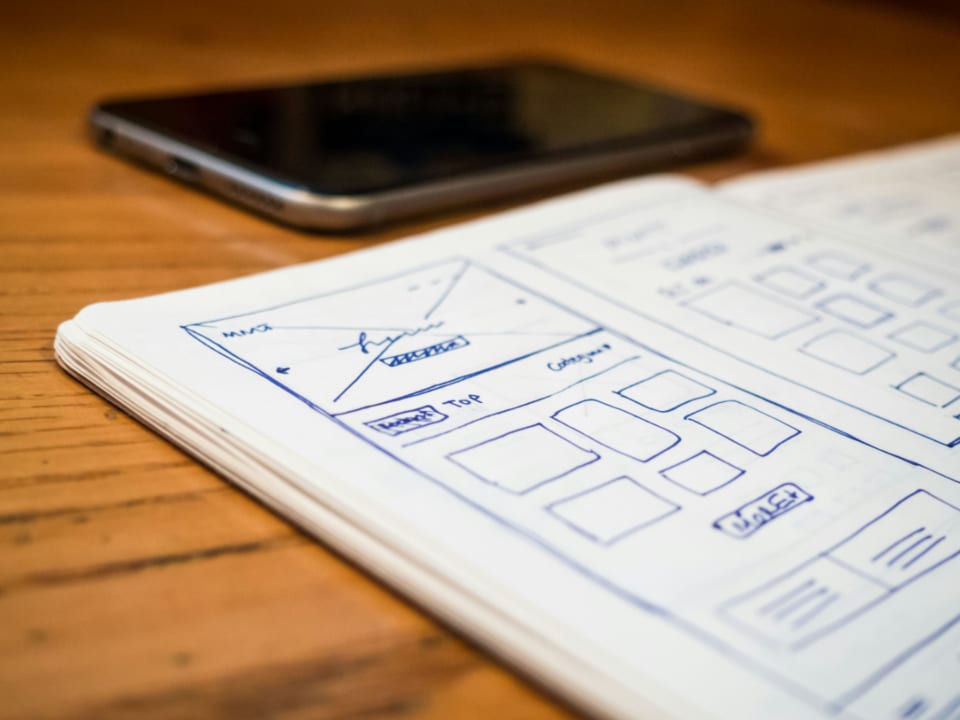
- Design. Every screen, including the empty, loading and error states that determine whether an app feels solid or cheap.
- Build in slices. Working builds on your own phone from week three, not a demo at the end.
- Store launch. Listings, screenshots, privacy declarations, submission and review responses.
Testing on real hardware
We test on physical low end and mid range Android devices as well as current iPhones. Emulators hide exactly the problems that matter, which are memory, thermal throttling and slow networks.
Who this is for
Businesses with customers or field staff who use the thing regularly. Delivery and logistics, field service, clinics and diagnostics, membership and loyalty, and internal tools for people who do not sit at a desk.
Do you actually need an app
Most business apps are downloaded once and never opened again. Before quoting we ask what the app does that a website cannot, and there are only a few good answers: repeat use, offline operation, push notifications, or access to camera, location or bluetooth hardware.
If none apply, a fast responsive website reaches more people at lower cost with nothing to install and no store review. We would rather tell you that at the first meeting than build something that gets uninstalled.
Why Flutter for most business apps
One codebase covers Android and iOS at close to native quality. That halves the build, and more importantly halves the ongoing maintenance for as long as the app lives, which is where the larger spend actually sits.
Native still wins where an app leans heavily on platform specific hardware or needs the newest operating system features on release day. That is a minority of business apps, and we will say when yours is one.
Designing for real conditions
Indian mobile usage means variable connectivity and a wide spread of device capability. We design for that rather than for a demo on office wifi.
Screens that sensibly can work offline do. Actions queue and retry rather than failing, so a form is not lost because a lift took the signal. Images are sized for the device. Nothing assumes a recent flagship.
Store submission without surprises
First submissions are rejected often enough that we plan for one round. Apple review commonly adds three to seven days. Google requires a data safety declaration that must match what the app genuinely collects.
We handle listings, screenshots, descriptions, privacy policy links and the review correspondence, and we build the submission window into the timeline rather than discovering it at the end.
After launch
Apps need maintenance even when you add no features, because both platforms change requirements annually and will eventually stop accepting builds that target old versions.
Our retainer covers operating system compatibility, dependency updates, crash triage and store compliance, so the app does not quietly stop working eighteen months after launch.
Analytics that answer questions
We instrument the funnel that matters to your business rather than collecting everything. Which screens people abandon, where onboarding loses them, which feature drives return visits. Enough to make the next decision, without turning the app into a surveillance product.